
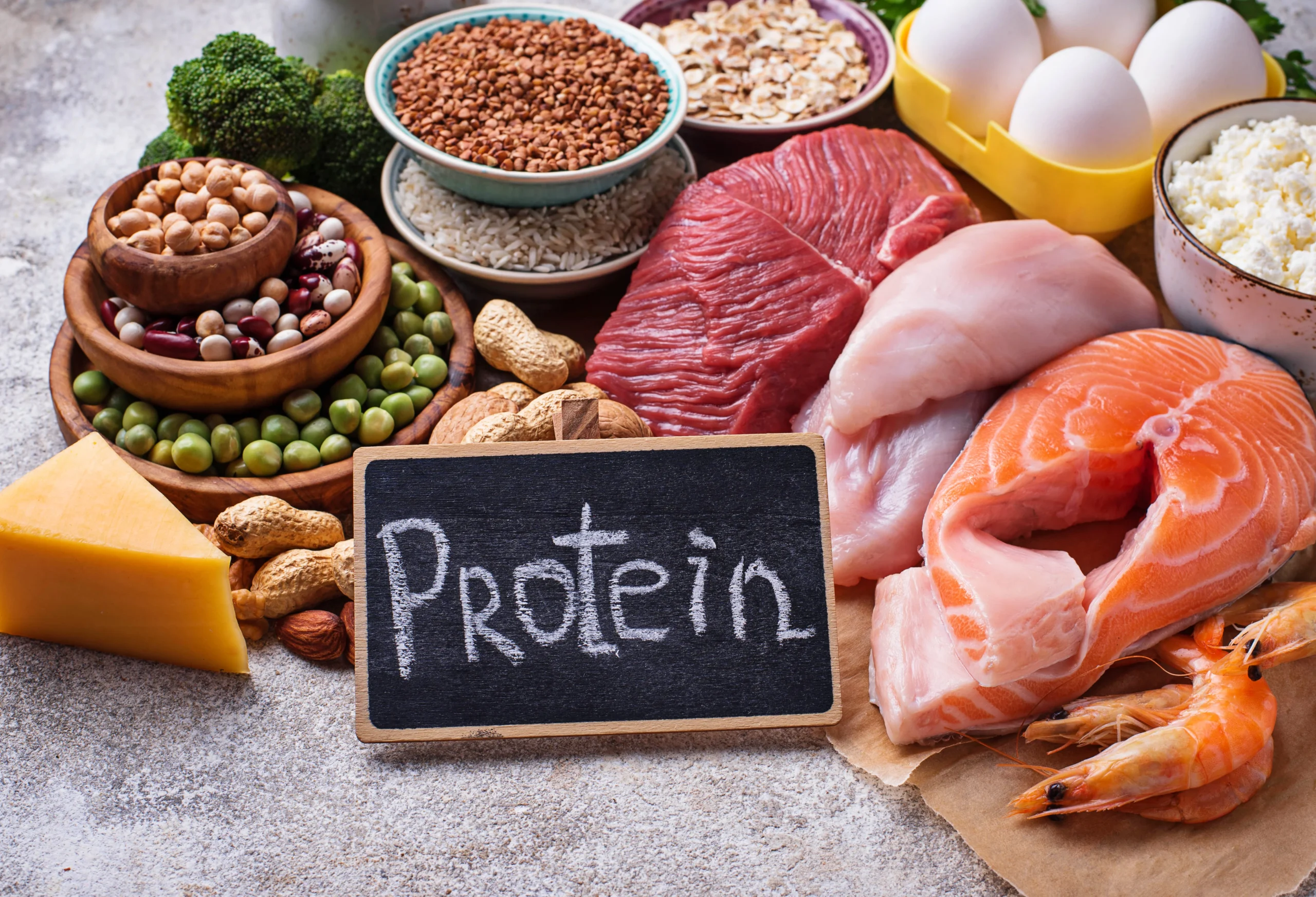
Protein: The Essential for Muscle, Recovery, Healthy Aging, and Wellness
What is Protein?
Protein is one of the most important nutrients your body needs. It’s made of amino acids, which are the building blocks for muscles, skin, hair, and almost every tissue in the body. Without enough protein, your body can struggle to repair itself, stay energized, and maintain overall health.
Health Benefits of Protein
- Supports Muscle & Tissue Repair: Protein helps rebuild muscles and tissues after daily wear and tear.
- Boosts Metabolism & Energy: Protein requires more energy to digest, which can help maintain metabolism.
- Promotes Healthy Hair & Skin: Protein is essential for strong hair, nails, and glowing skin.
- Maintains Immune Function: Many immune system cells are made from protein, keeping you resilient against infections.
- Satiety & Weight Management: Protein helps you feel fuller longer, which can support weight control.
Who Needs Protein and Why?
Protein is essential for people of all ages, but the reasons differ depending on life stage and lifestyle:
- Children: Need protein to support rapid growth, develop strong muscles and bones, and maintain a healthy immune system.
- Teenagers and Young Adults: Require protein to build and maintain muscles, support energy levels, and enhance focus and cognitive performance.
- Athletes and Gym Goers: Protein helps repair and build muscles after exercise, improve endurance, and preserve lean muscle mass during fat loss.
- Older Adults: Protein is crucial for maintaining muscle mass, supporting bone and joint health, boosting immunity, and sustaining daily energy and vitality.
Getting enough protein at every stage of life ensures the body can grow, repair, and function optimally.
Why Protein is Important for Gym Enthusiasts and Athletes
For those who exercise regularly, protein is even more essential:
- Muscle Growth & Strength: After workouts, your muscles need protein to recover and grow stronger.
- Faster Recovery: Protein reduces soreness and speeds up tissue repair.
- Energy Maintenance: Helps prevent fatigue during intense training sessions.
- Versatility: Available in shakes, snacks, or as part of meals, protein is easy to incorporate into an active lifestyle.
Whether you lift weights, run, or do yoga, getting enough protein helps you perform better and recover faster.

Different Types of Protein
- Animal-Based Protein: Found in eggs, meat, poultry, and dairy. Highly bioavailable and complete.
- Plant-Based Protein: Includes legumes, nuts, seeds, and soy. Great for vegetarians and vegans.
- Protein Powders & Supplements: Convenient for those who need an extra boost, available in chocolate, vanilla, and other flavors.
FAQs About Protein
- How much protein do I need daily?
It depends on age, weight, and activity level. The general recommendation is 0.8–1 gram per kilogram of body weight for adults, higher for athletes. - Can I get enough protein from plants alone?
Yes, by combining different plant-based sources like beans, lentils, nuts, and seeds. - When is the best time to consume protein?
Protein can be consumed throughout the day. Post workout protein is especially beneficial for muscle recovery. - Can protein supplements replace meals?
No, they complement a balanced diet but shouldn’t replace whole foods. - Are protein shakes only for athletes?
Not at all! Anyone looking to meet their daily protein needs or maintain a healthy lifestyle can benefit from protein supplements.
References
Academy of Nutrition and Dietetics
https://www.eatright.org/health/essential-nutrients/protein/how-much-protein-should-i-eat?